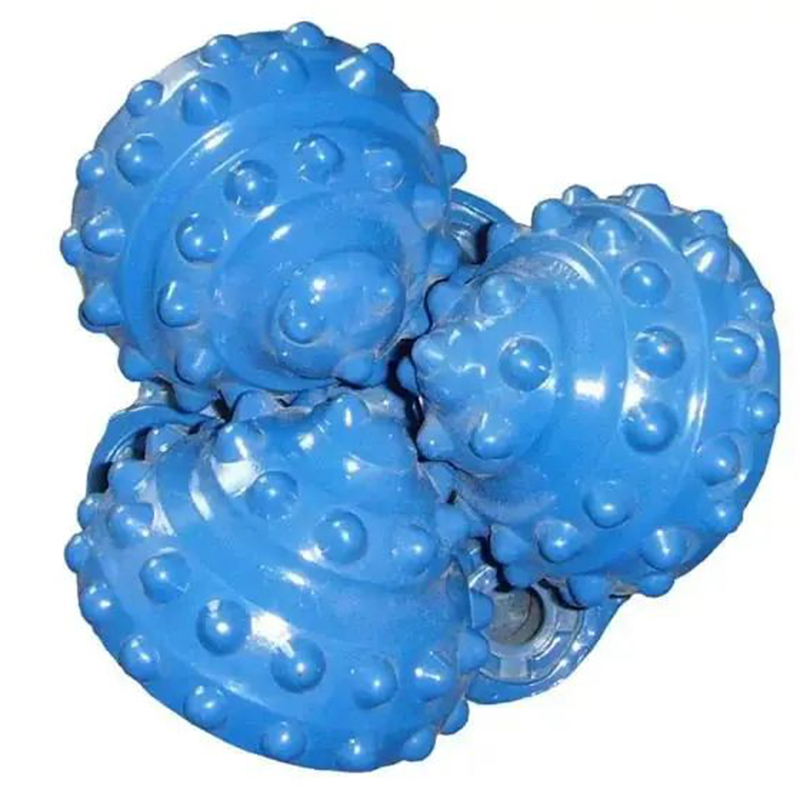
**Innovative Advances in Reverse Circulation Rock Bit Technology Propel Drilling Efficiency**In the ever-evolving field of mineral exploration and drilling technology, advancements in reverse circulation (RC) drilling tools have become pivotal in enhancing operational efficiency and reducing costs. The latest developments in reverse circulation rock bits represent a significant leap forward, enabling drilling companies worldwide to achieve greater penetration rates, improved sample quality, and extended equipment lifespan.Reverse circulation drilling is widely recognized for its efficiency in collecting uncontaminated rock samples from significant depths, making it an essential technique in mining and geological exploration projects. Central to this process is the rock bit—in particular, the reverse circulation rock bit—which serves as the critical interface between drilling equipment and the subterranean rock formations.Recent engineering breakthroughs have led to the design and manufacture of reverse circulation rock bits that offer superior durability and performance under harsh downhole conditions. These innovations have been driven by extensive research into bit materials, geometry, and fluid dynamics, resulting in optimized cutting structures that reduce wear and enhance rock fragmentation.One of the core improvements in current reverse circulation rock bits lies in the use of advanced tungsten carbide inserts strategically positioned on the bit face. These inserts provide enhanced abrasion resistance, allowing the bit to maintain sharper cutting edges over prolonged drilling operations. Additionally, advancements in the bit body metallurgy have yielded components that resist shock loading and thermal degradation, two common factors that contribute to premature bit failure.Fluid circulation within the bit has also been refined to maximize the removal of cuttings from the borehole. Optimized nozzle configurations and internal passageways facilitate efficient air and fluid flow, reducing bit balling and preventing clogging. This not only sustains drilling velocity but also preserves the quality of samples returned to the surface, a critical factor for accurate geological analysis.Moreover, modular designs have been introduced to allow for easier maintenance and bit refurbishment, thereby extending service intervals and lowering operational downtime. These features align with industry demands for sustainable practices, as extending the life of drill bits reduces material consumption and waste.Complementing these technological strides is a comprehensive support system from leading drilling equipment manufacturers, who provide extensive customer service, training, and technical assistance. Their commitment ensures drilling teams are equipped not only with cutting-edge tools but also with the knowledge to maximize their potential in diverse geological settings.The application of these advanced reverse circulation rock bits has been demonstrated across various mineral exploration projects, from hard rock mining to environmental drilling. Early field reports indicate substantial improvements in drilling rates and sample quality, with some projects achieving previously unattainable depths and sample integrity.Furthermore, the integration of these cutting-edge bits into larger drilling rigs has facilitated the automation and digitization of the drilling process. Real-time monitoring of drilling parameters allows operators to make informed decisions, optimizing bit performance and anticipating maintenance requirements.In summary, the latest reverse circulation rock bit technologies mark a significant advancement in drilling capabilities. By combining enhanced materials, innovative design, and industry support, these bits are redefining the standards of drilling efficiency and reliability. As the mining and exploration sectors continue to face challenges related to depth, formation hardness, and environmental standards, such innovations will play a crucial role in securing the future of resource development.For companies engaged in drilling operations, embracing these advancements presents an opportunity to improve productivity, reduce costs, and minimize environmental impact—key factors that contribute to long-term success in a competitive industry. With ongoing research and development, the reverse circulation rock bit is poised to remain at the forefront of drilling technology for years to come.
Read More